
Creating an expensive-looking home is usually more about a few specific, high-impact choices than a huge bank account. I’ve found that focusing on the things people actually notice makes a much bigger difference than just buying stuff.
Getting the scale of your furniture right and sticking to a color palette that doesn’t feel random are great places to start. Using natural materials and keeping your surfaces clear of clutter helps, too.
It’s really about making the space look intentional. I’ve always felt that these smaller, subtle changes give a house that high-end look, especially when you repeat them throughout the different rooms.
Some of these require some planning, so I usually tackle them over time. I’ll pick up a piece here and there as the budget allows. These are the little details that give a home that extra something.
1. Apply Contrast Paint to Interior Doors
Elevate your interior by painting doors in a sophisticated hue rather than standard builder white. Deep charcoal grays, rich blacks, or warm taupes create architectural interest and depth.
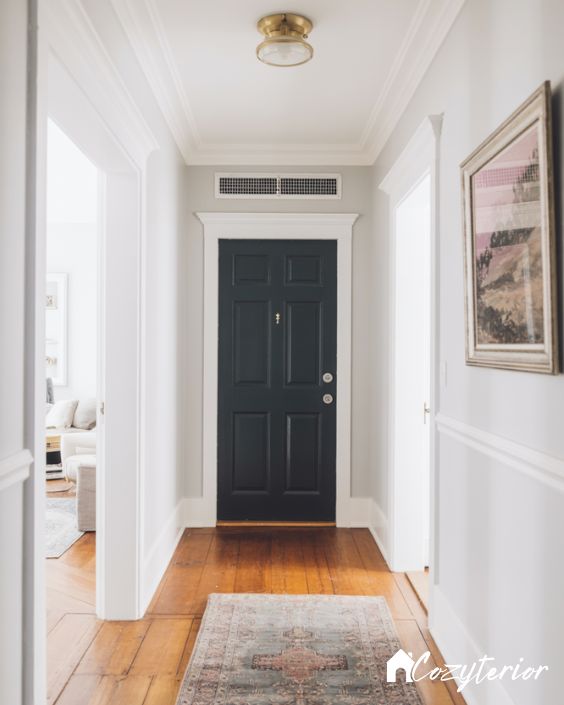
This simple transformation gives your home a custom, designer-specified appearance without the associated price tag. Consider coordinating all interior doors in the same color to create a cohesive, intentional look throughout your space.
2. Install Decorative Molding and Trim
Architectural details like crown molding, picture rail molding, or wainscoting instantly communicate quality craftsmanship. Even basic trim work can be installed as a DIY project using pre-cut materials from home improvement stores.
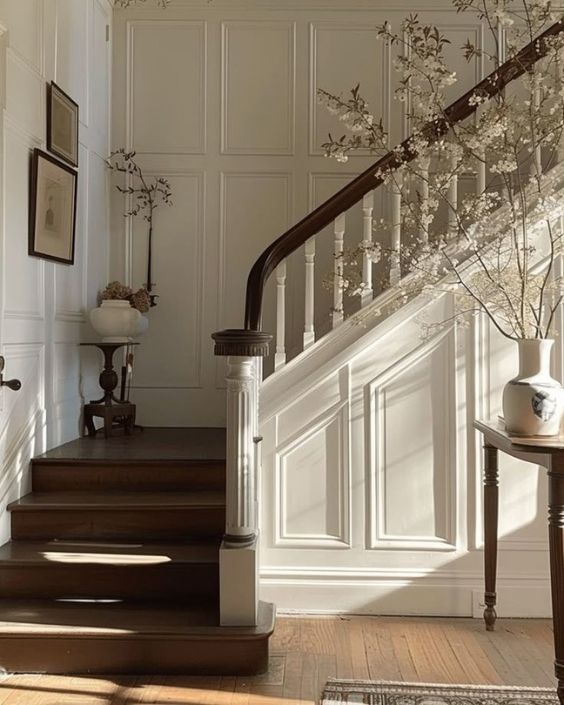
These three-dimensional elements add visual texture and suggest period architecture, both hallmarks of expensive homes. Focus on high-visibility areas like entryways, dining rooms, or primary bedrooms for maximum impact.
3. Display Oversized Artwork
Large-scale art creates the impression of investment pieces, even when created affordably. Commission local artists for custom work, repurpose fabric or wallpaper in frames, or create abstract compositions using paint and canvas from craft stores.
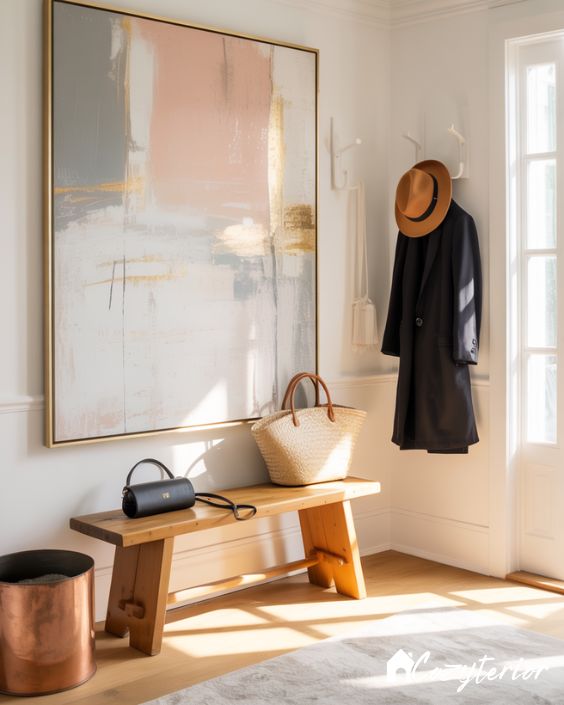
The key is scale—artwork that commands attention suggests both confidence and resources. A single statement piece often makes a stronger impact than multiple smaller items.
4. Upgrade Cabinet and Door Hardware
Hardware serves as jewelry for your home’s cabinetry and doors. Replacing generic pulls, knobs, and handles with distinctive options in materials like brass, glass, or ceramic can transform ordinary furniture and built-ins.
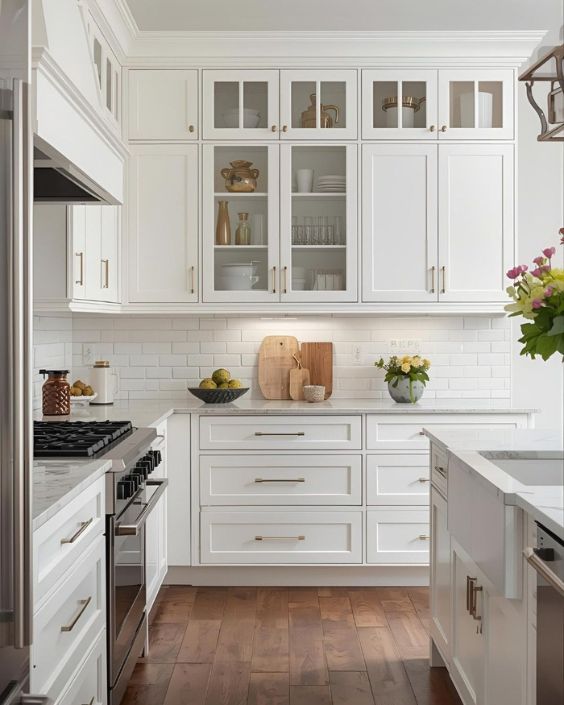
This relatively inexpensive upgrade delivers significant visual returns, particularly in kitchens, bathrooms, and on frequently used doors. Choose finishes that complement your overall design scheme for a coordinated appearance.
5. Eliminate Visual Clutter
Luxury spaces prioritize edited, intentional displays over an abundance of decorative items. Reduce surface clutter by implementing organizational systems that keep everyday items out of sight.
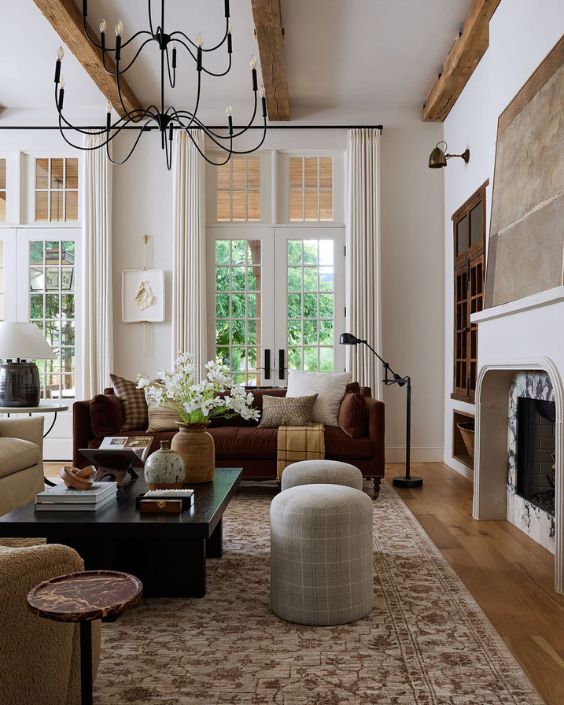
This doesn’t require minimalism; rather, it involves thoughtful curation in which each visible object serves a purpose or adds aesthetic value. Clear countertops, organized shelving, and designated storage create the serene atmosphere associated with high-end interiors.
6. Create Cohesive Gallery Wall Arrangements
While eclectic gallery walls have their place, sophisticated arrangements favor uniformity in frame style, color palette, and layout.
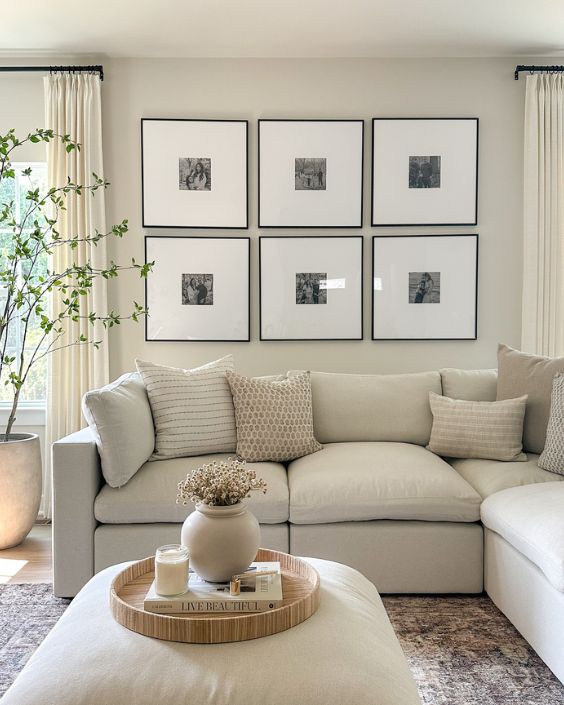
Select frames in a single finish, such as matte black, natural wood, or gilded gold, and arrange them in geometric patterns such as grids or salon-style symmetry. This approach creates visual harmony that reads as professionally curated rather than accumulated over time.
7. Incorporate Living Greenery
Plants and fresh florals introduce organic luxury to interiors. Position substantial floor plants in corners, cluster smaller specimens on surfaces, or display fresh-cut flowers in prominent locations.
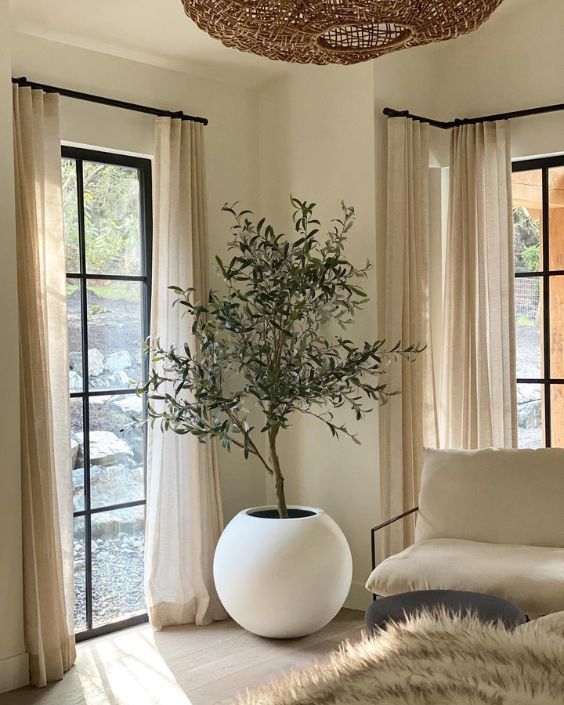
The presence of thriving plants suggests attentive care and adds the sophisticated atmosphere found in upscale hotels and spas. High-quality artificial options can provide similar benefits in low-light areas.
8. Layer with White Bed Linens
Crisp white bedding creates the luxurious aesthetic of boutique hotels. White linens in high thread counts convey cleanliness and quality while allowing decorative pillows and throws to add personality.
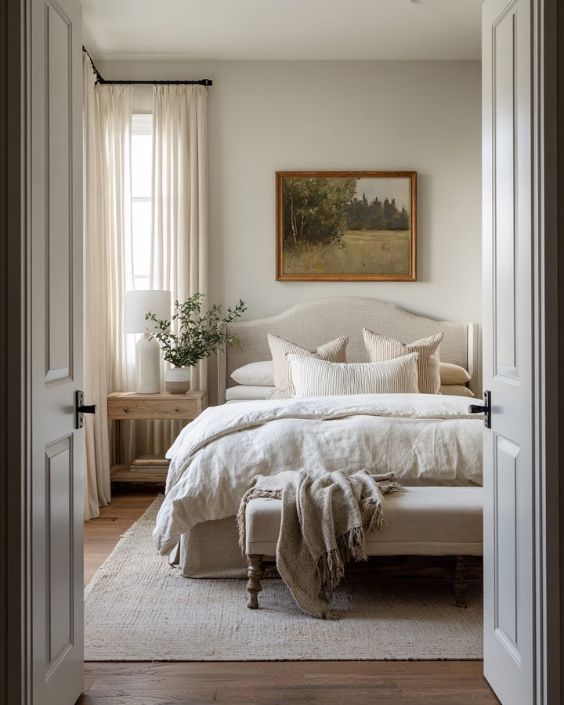
This classic approach never appears dated and can be maintained through regular laundering with bleach, ensuring your bed always looks fresh and inviting.
9. Stock Bathrooms with White Towels
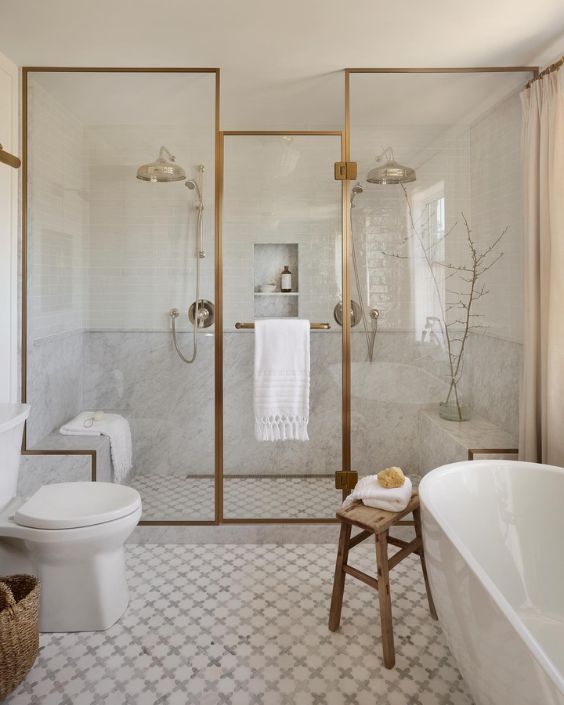
Following the same principle as bedroom linens, using white towels is an effortless way to create a spa-like bathroom. They’re practical for hygiene reasons, as they can be bleached to remove bacteria and stains, and they provide a clean backdrop that complements any decorative scheme. Invest in substantial, plush towels for an elevated tactile experience.
10. Hang Window Treatments High and Wide
Mount curtain rods several inches above window frames and extend them beyond the window width on both sides. This technique makes ceilings appear taller and windows larger. Select floor-length panels that just kiss the floor or puddle slightly for added elegance.
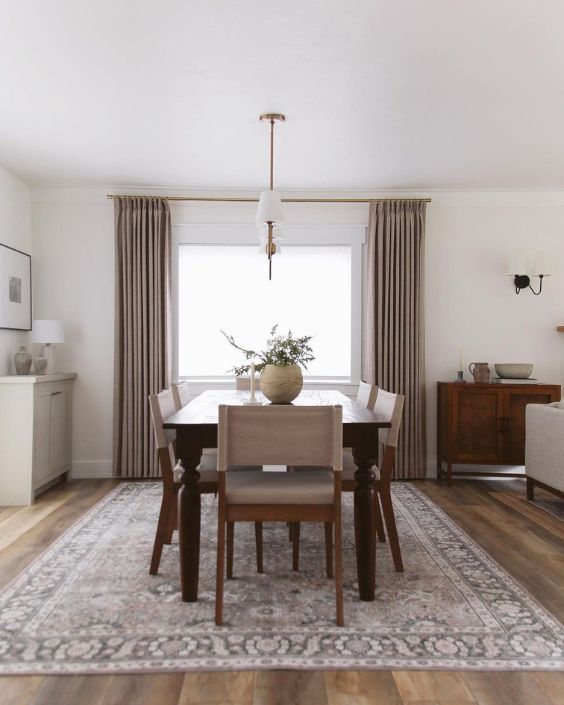
The resulting proportions create the impression of grand, light-filled spaces regardless of actual window dimensions.
11. Select Statement Lighting Fixtures
Lighting serves as functional sculpture in well-designed spaces. Replace basic builder-grade fixtures with distinctive chandeliers, pendants, or sconces that reflect your aesthetic preferences.
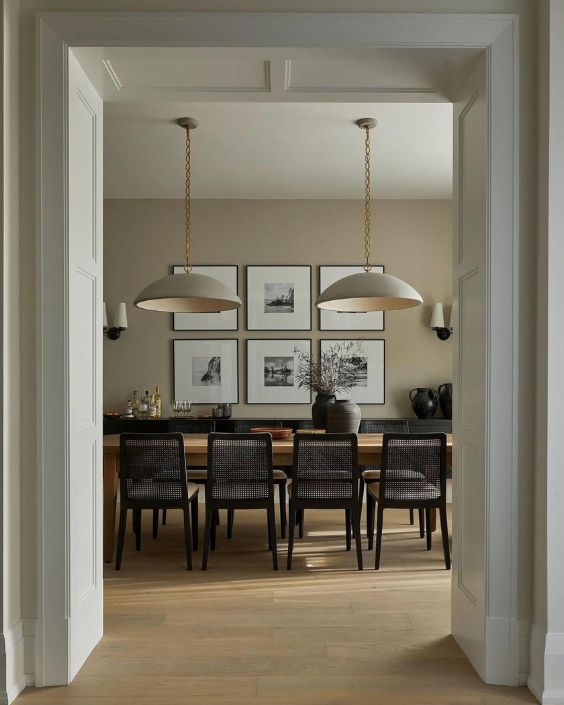
When uncertain about size, err toward larger fixtures—undersized lighting diminishes the room’s proportions. Source options from vintage shops, where unique pieces often cost less than mass-market alternatives.
12. Install Custom Built-In Storage
Built-in shelving, window seats, and storage solutions appear custom and expensive but can be created affordably using modular furniture systems. Bookcase units can be modified with trim and paint to appear permanently installed.
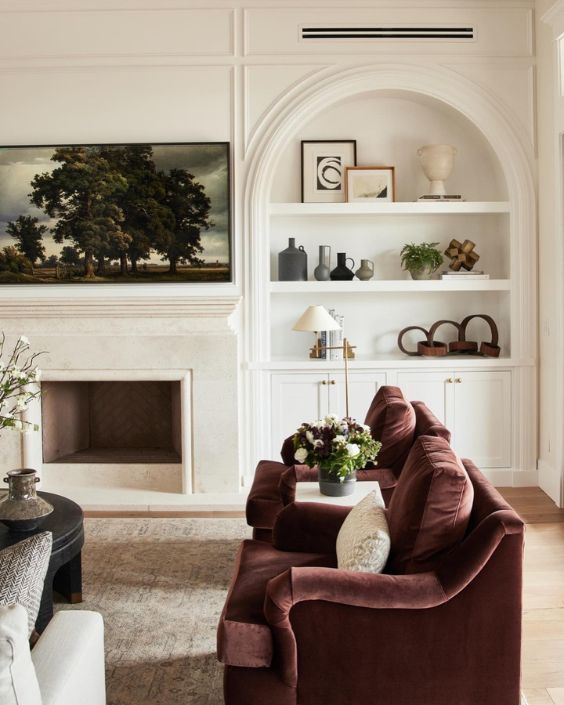
These additions maximize space efficiency while creating the architectural character found in older, well-appointed homes.
13. Prioritize Natural Materials
Authentic materials such as solid wood, natural stone, leather, and metals age beautifully and convey quality. Source these materials from secondhand markets, where they’re often available at substantial discounts.
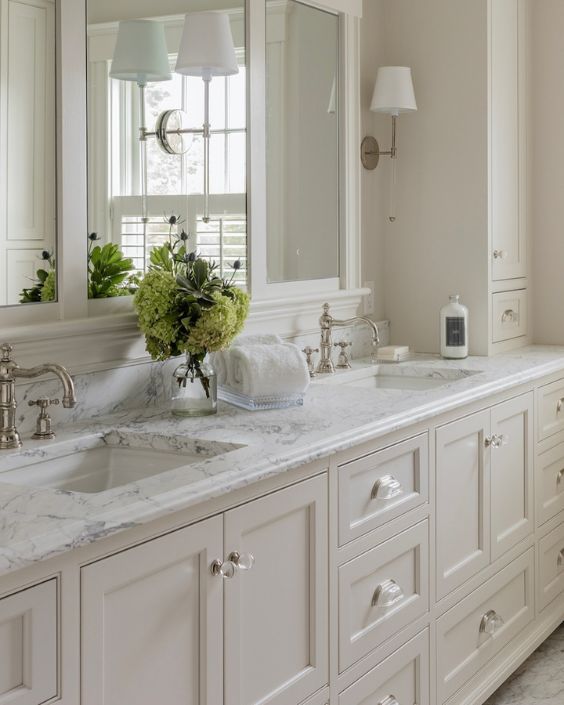
A genuine marble table or solid wood dresser found used will outlast and outperform new synthetic alternatives while contributing to the collected, layered look of expensive interiors.
14. Choose Appropriately Scaled Rugs
Undersized area rugs disrupt room proportions and appear budget-constrained. In living spaces, rugs should accommodate all furniture legs or at least the front legs of major pieces.
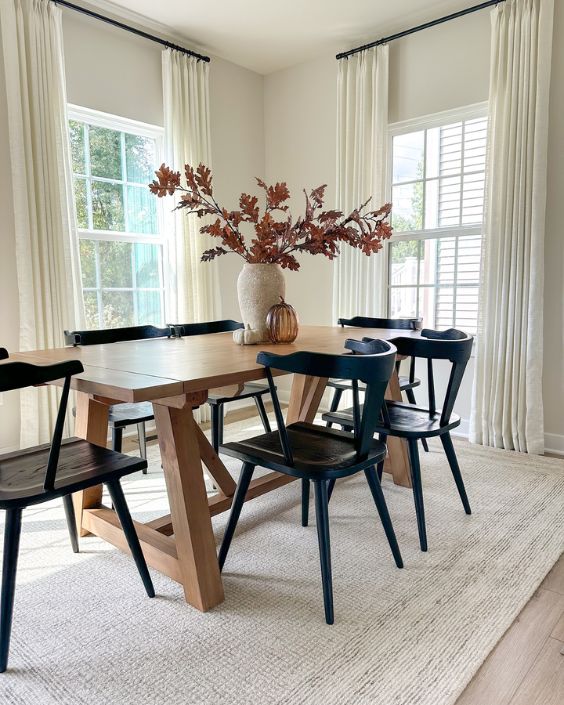
Dining room rugs must extend beyond the chair pullout radius. Properly sized rugs ground furniture arrangements and define zones in open-plan spaces, creating cohesive visual anchors.
15. Implement Layered Lighting Design
Professional lighting design incorporates three types: ambient lighting for general illumination, task lighting for specific activities, and accent lighting for atmosphere.
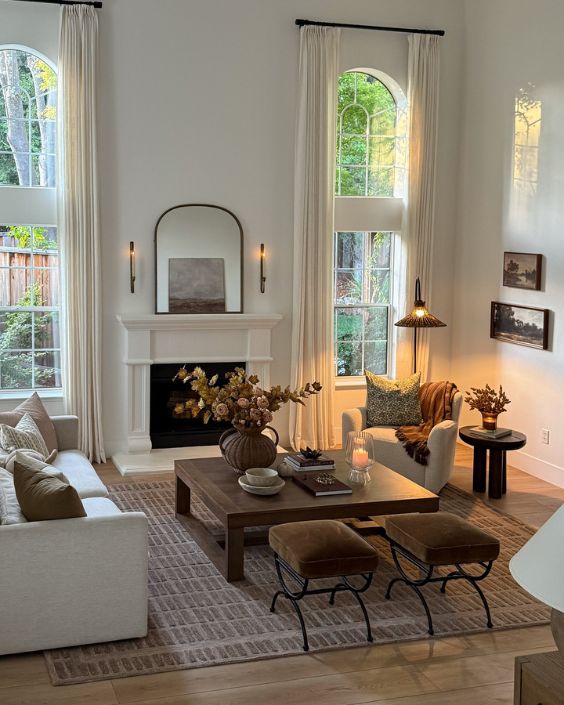
Combining overhead fixtures with table lamps, floor lamps, and decorative lighting creates dimensional, adjustable illumination that adapts to different uses and times of day. Install dimmer switches to further control lighting levels and mood.
16. Use Premium Pillow Inserts
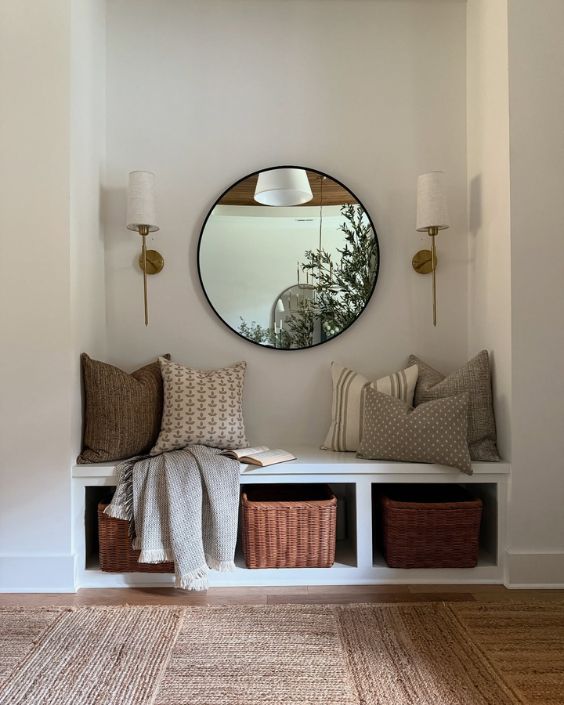
Down or down-alternative pillow inserts create the plush, full appearance found in designer showrooms. Purchase inserts one to two inches larger than your pillow covers for maximum loft and a professionally styled look. Discount home goods stores often carry marked-down inserts that can be removed from dated covers and placed in your preferred textiles.
17. Paint Walls and Trim in Matching Tones
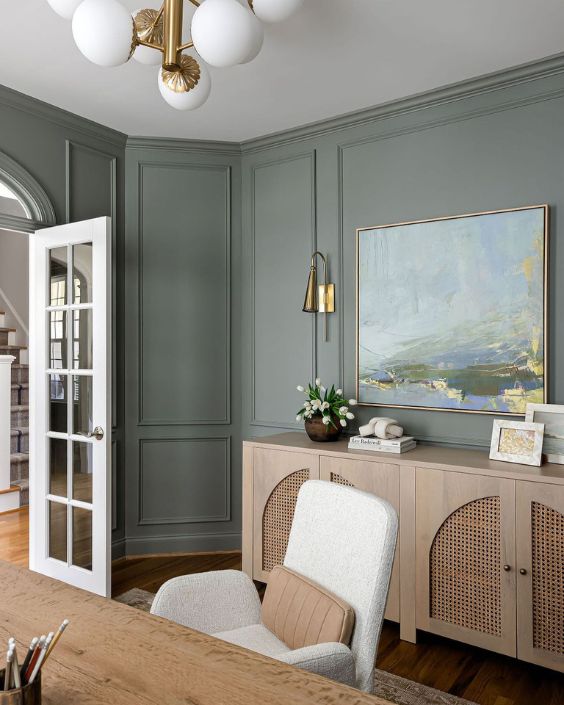
Monochromatic wall and trim color creates a seamless visual flow that makes rooms appear larger and more sophisticated. This technique, sometimes called color drenching, eliminates visual breaks that can make spaces feel choppy. Consider extending the same color to ceilings for maximum impact and the illusion of endless space.
18. Mix Vintage and Antique Furnishings
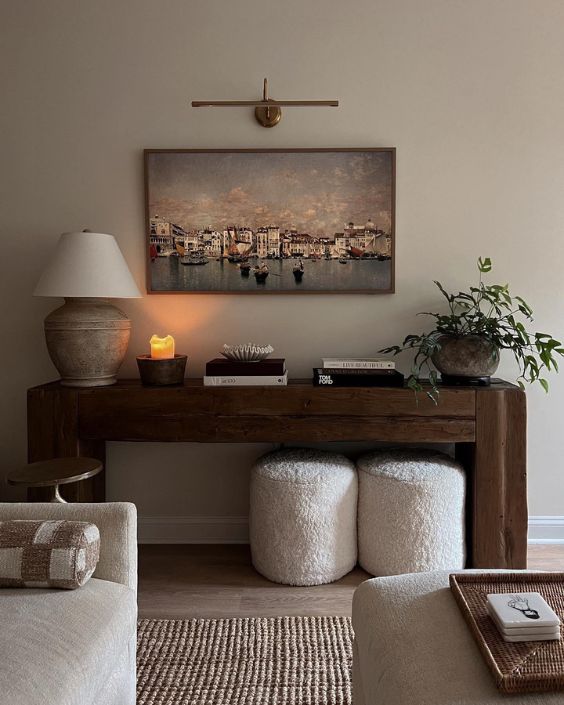
Quality older furniture often costs less than contemporary mass-market pieces while offering superior construction and character. Estate sales, auctions, and consignment shops yield solid wood pieces that can be refinished to suit current tastes. These items add the patina and authenticity that new furniture cannot replicate, suggesting a home curated over time.
19. Refresh Existing Lamps with New Shades
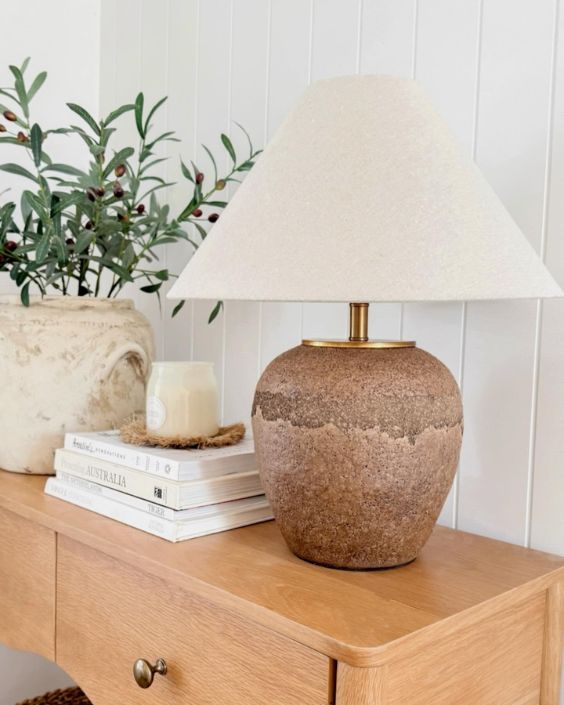
Outdated lamp bases can be revitalized with contemporary shades in current silhouettes and materials. This simple swap costs significantly less than new lamps while updating your lighting aesthetic. Pair traditional bases with modern drum shades or mid-century forms with textured linen for an updated look that respects the lamp’s original character.
20. Establish a Neutral Foundation
Invest in neutral foundational elements such as sofas, rugs, and major case goods that transcend trends and accommodate changing preferences.
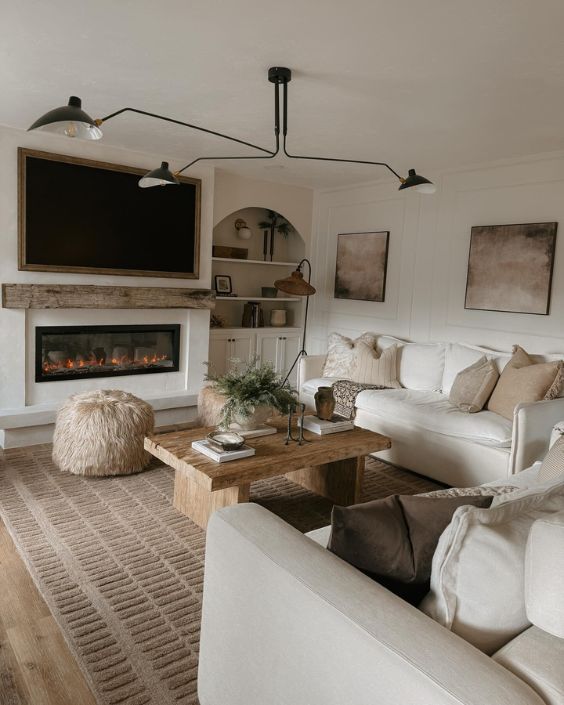
These anchors provide a sophisticated foundation that accommodates seasonal or trend-driven accents without requiring a complete redecoration. Neutrals also photograph well and have a broader appeal, making them practical for long-term satisfaction.
21. Embrace Saturated, Complex Colors
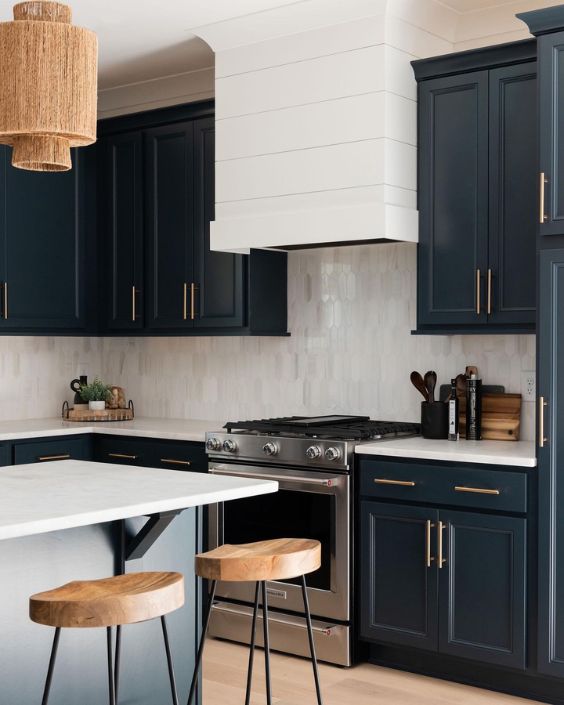
When using color, choose deep, saturated hues rather than pale or bright options. Rich navies, forest greens, warm terracottas, and deep charcoals convey sophistication and commitment. These colors, particularly when used throughout a room, create dramatic, confident interiors associated with professional design. They also hide imperfections better than lighter alternatives.
22. Mat and Frame Photographs Professionally
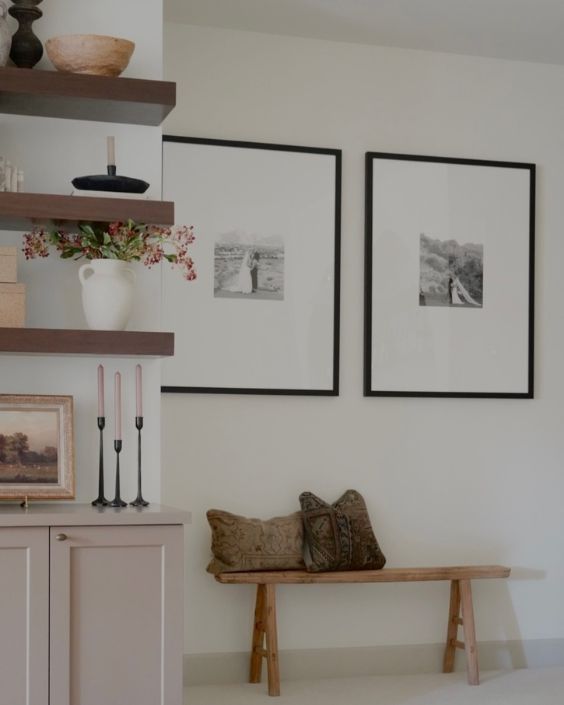
Wide white or cream mats elevate photographs and prints, creating gallery-quality presentations. This simple addition suggests investment and care while providing visual breathing room around images. Consistent matting across multiple frames creates cohesion, even when frame styles vary. Many frame shops offer pre-matted options at accessible price points.
23. Apply Decorative Wallcoverings
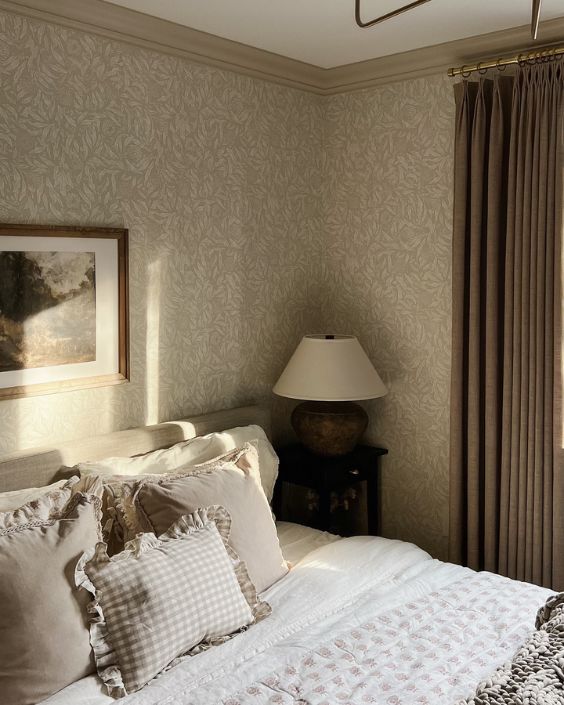
Wallpaper communicates custom design and attention to detail. Contemporary peel-and-stick options make DIY installation manageable while allowing future changes. Use wallpaper as an accent on a single wall or in smaller spaces like powder rooms for high impact with minimal investment. Pattern and texture add luxury that paint alone cannot achieve.
24. Install Kitchen Backsplash Treatment
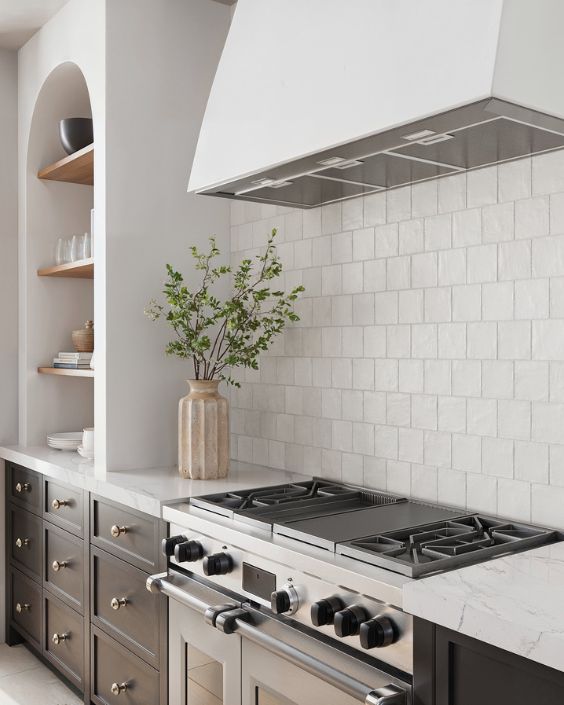
The area between countertops and upper cabinets offers prime real estate for visual interest. Tile backsplashes add pattern, color, and protection while suggesting a complete renovation. Alternative materials, such as beadboard, pressed tin, or peel-and-stick tiles, offer similar benefits at a lower cost and with simpler installation requirements.
25. Curate Your Home’s Scent Profile
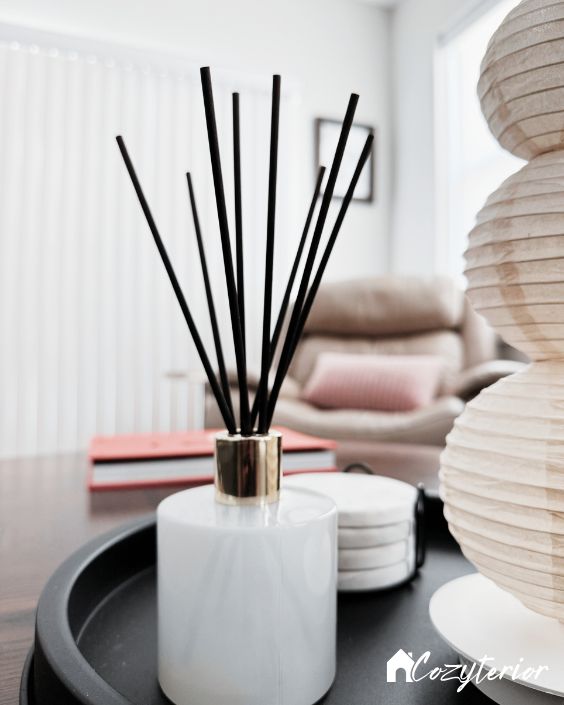
Luxury environments engage all senses, including smell. Develop a signature scent across candles, diffusers, and room sprays, using consistent fragrance families. Eliminate competing odors with proper ventilation and odor-absorbing products. A pleasant, subtle scent creates positive associations and suggests the attention to detail found in upscale hotels and homes.
26. Avoid Matching Furniture Sets
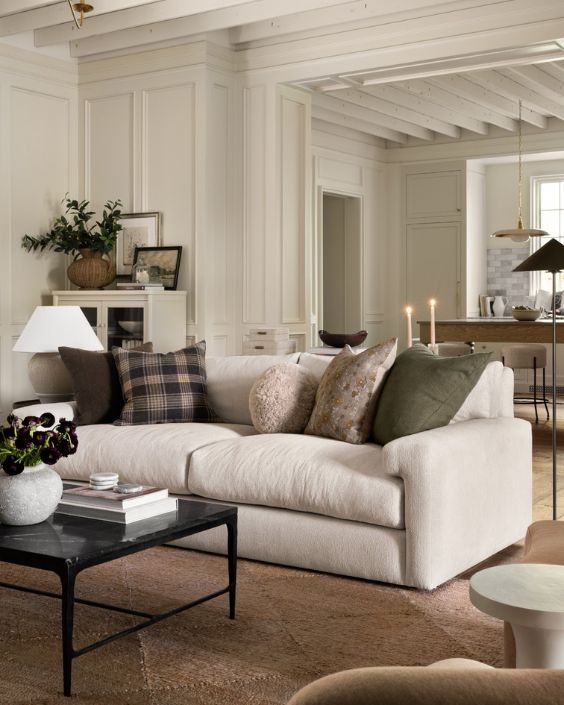
Rooms furnished entirely with matching suites appear generic and unstudied. Mix furniture from different sources and styles while maintaining a cohesive color palette or material story. This curated approach suggests pieces acquired over time and chosen for individual merit rather than purchased in a single transaction, creating the layered look of designer spaces.
27. Position Mirrors to Reflect Light
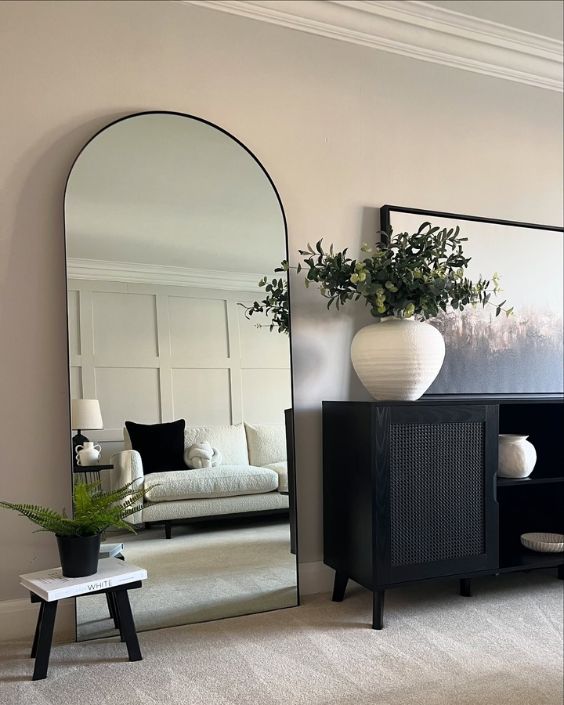
Strategically placed mirrors opposite or adjacent to windows multiply natural light and create the illusion of additional space. Large mirrors in substantial frames serve as architectural elements while performing this practical function. In darker rooms or narrow hallways, mirrors brighten and expand perceived dimensions cost-effectively.
28. Maintain Organized Toy Storage
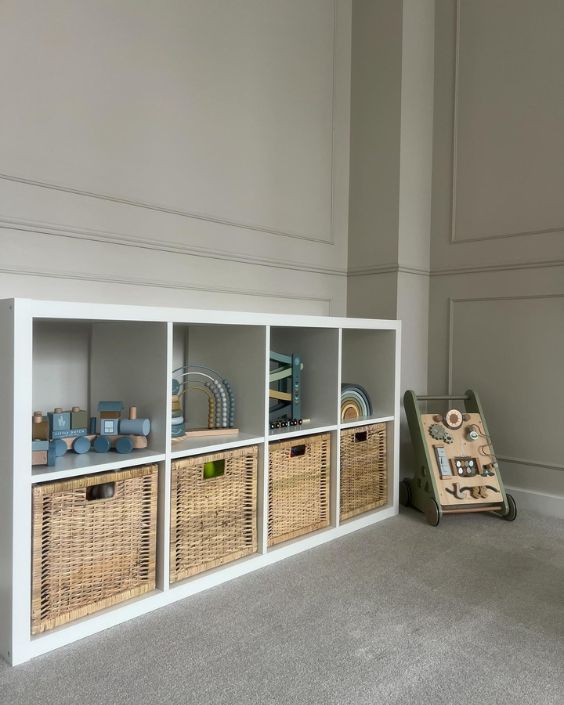
In homes with children, visible toy chaos undermines sophisticated design efforts. Implement closed storage solutions that hide toys when not in use, such as cabinets with doors, attractive baskets, or furniture with concealed compartments. This organization preserves adult aesthetic preferences while accommodating family life and teaching children responsibility for their belongings.
29. Source Vintage and Secondhand Treasures
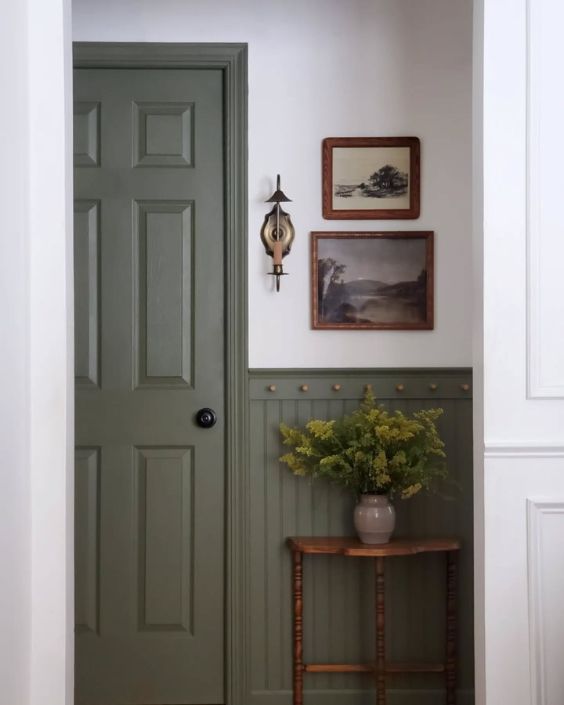
Thrift stores, estate sales, and online marketplaces offer quality items at substantial discounts from retail prices. Vintage pieces add character and often feature superior construction compared to contemporary budget options. Mixing periods and provenances creates the collected, well-traveled aesthetic that characterizes truly personal, expensive-looking interiors.
30. Upgrade Everyday Household Items
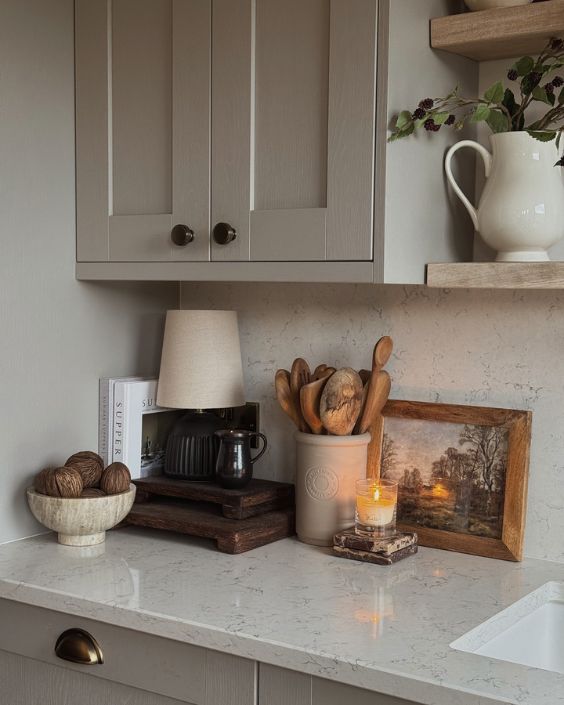
Replace plastic bottles and generic containers with attractive alternatives for frequently used items. Transfer hand soap to glass dispensers, store cotton swabs in apothecary jars, display cooking utensils in ceramic crocks, and select aesthetically pleasing cleaning tools. These small upgrades reduce visual clutter from commercial packaging while elevating daily routines with considered design.
The Takeaway
You don’t need a massive budget to make a house look expensive; you just need to know where to spend. It’s about focusing on a few high-impact changes, like getting the scale of your furniture right or sticking to a cohesive color palette, rather than just buying stuff. If you prioritize natural materials and keep your surfaces decluttered, you can pull off a high-end look that actually feels curated. The goal is to make the space look intentional, not just pricey.